


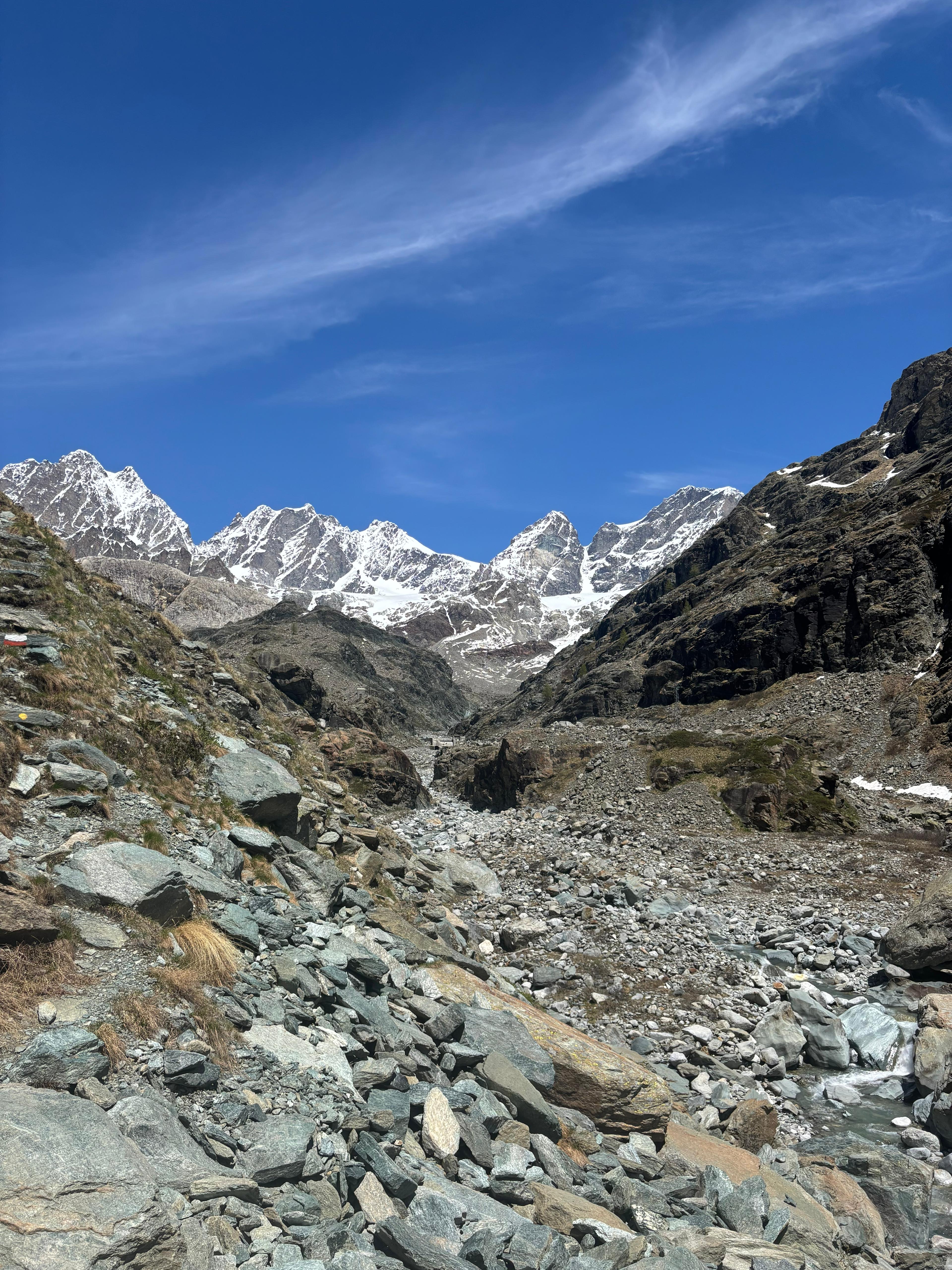
Valmalenco climbs north out of Sondrio and ends against the Bernina massif on the Swiss border. It is the wildest of the valleys we know and the least visited: two hours from Milan you are among glaciers, granite and villages where almost nobody speaks English. Chalet Valmalenco sits in Torre di Santa Maria, a third of the way up, which puts all of this within half an hour.
Here is what we actually do when we are there, season by season.
Skiing at Alpe Palù
The ski area above Chiesa in Valmalenco is small by Dolomite standards and almost entirely local. The Snow Eagle cable car carries 160 people at a time from the edge of the village up to Alpe Palù, and from there you have long red runs through larch forest, wide open pistes higher up, and a view of the Bernina in front of you the whole way down. On a Saturday in February the lift queue is three people deep.
Caspoggio, on the sunnier side of the valley, is gentler and cheaper again. It's the place to put beginners and children.
Ski touring in the Bernina
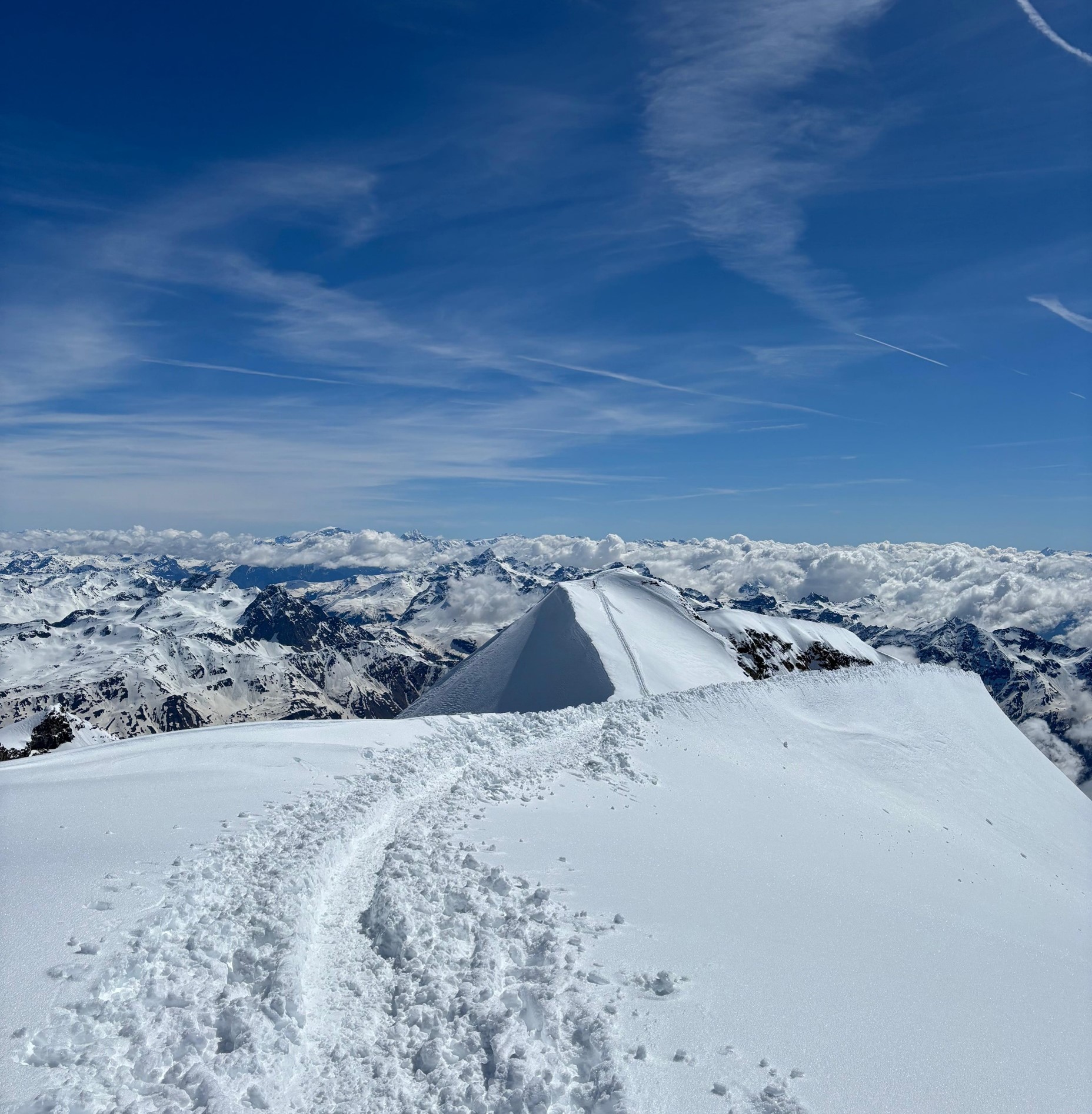
This is what the valley is really known for in winter. The Bernina group is one of the great ski-mountaineering regions of the Alps, and the terrain ranges from half-day outings to multi-day traverses.
For a first tour with skins, Monte Motta (2,336 m) from San Giuseppe is the usual choice: about 900 m of ascent on open slopes. Passo di Mello, at 2,992 m, is a different proposition: a long climb from Chiareggio up Val Sissone into the heart of the Disgrazia group, for people with real mountaineering experience. Higher still, the huts on the edge of the glaciers, Marinelli and Bignami, are the starting points for routes people plan their year around.
Conditions change fast. Take a guide if you are new to it, and read the Lombardy avalanche bulletin every morning.
The Fellaria glacier
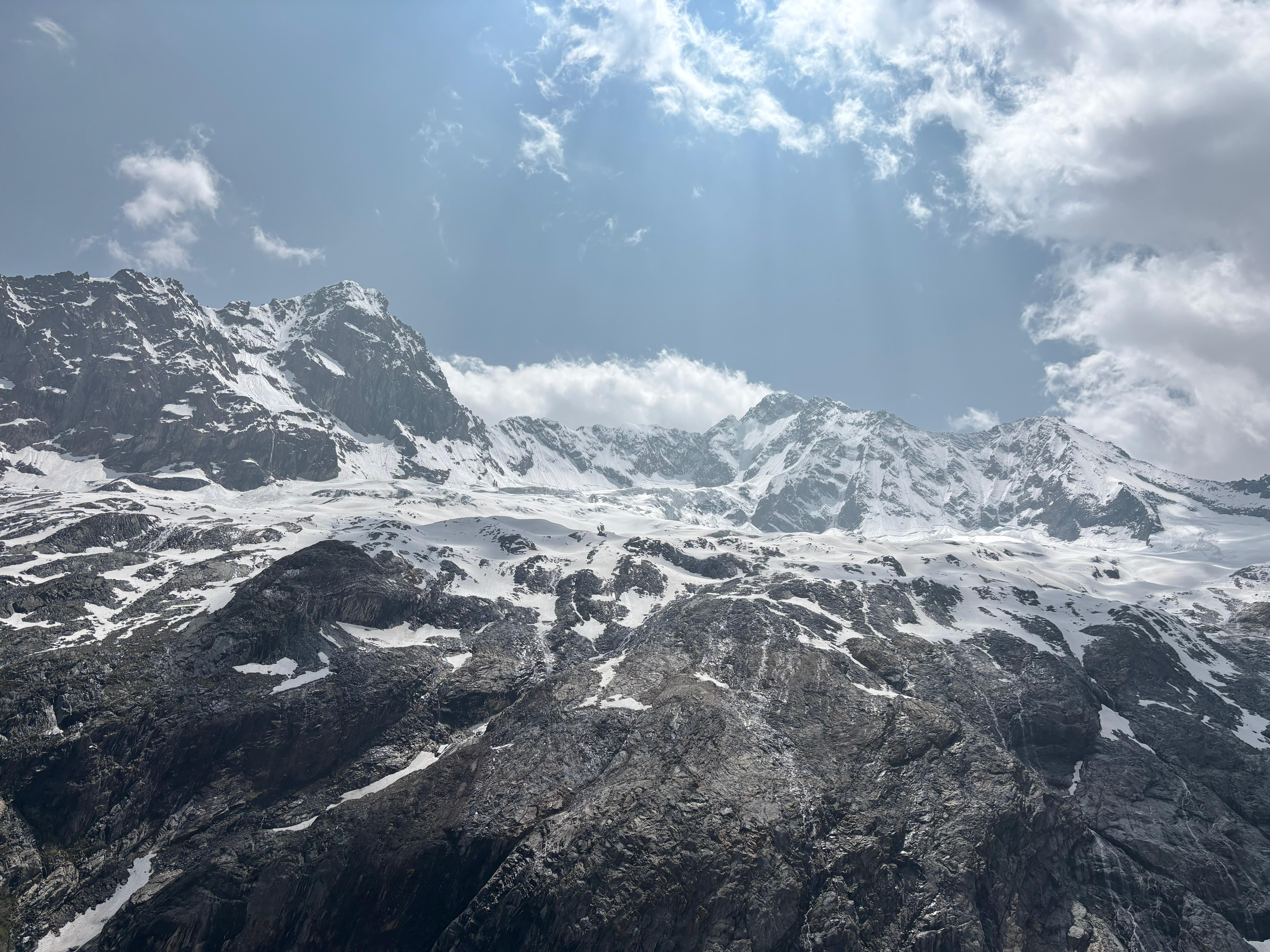
Drive up to Campo Moro above Lanzada, where the road ends at the dams, and walk in towards Rifugio Bignami. The path continues to a viewpoint above the Fellaria glacier, where the ice falls in a broken wall out of the Bernina cirque and meltwater runs blue-grey into the lake below.
It is about four to five hours there and back at a comfortable pace, on good path, with no exposure. It is also the single most striking half-day in the valley, and it is busy on August weekends and empty the rest of the time.
The glaciological trail at Alpe Ventina
From Chiareggio, at the head of the western arm of the valley, the Sentiero Glaciologico Vittorio Sella walks up towards the Ventina glacier past markers showing where the ice reached in each decade. The first marker is a long way below the last one.
Two hours up, less coming back, easy underfoot, and a hut at Alpe Ventina for lunch. It is the walk we take people on when they want to understand the mountains rather than just look at them.
Lago Palù
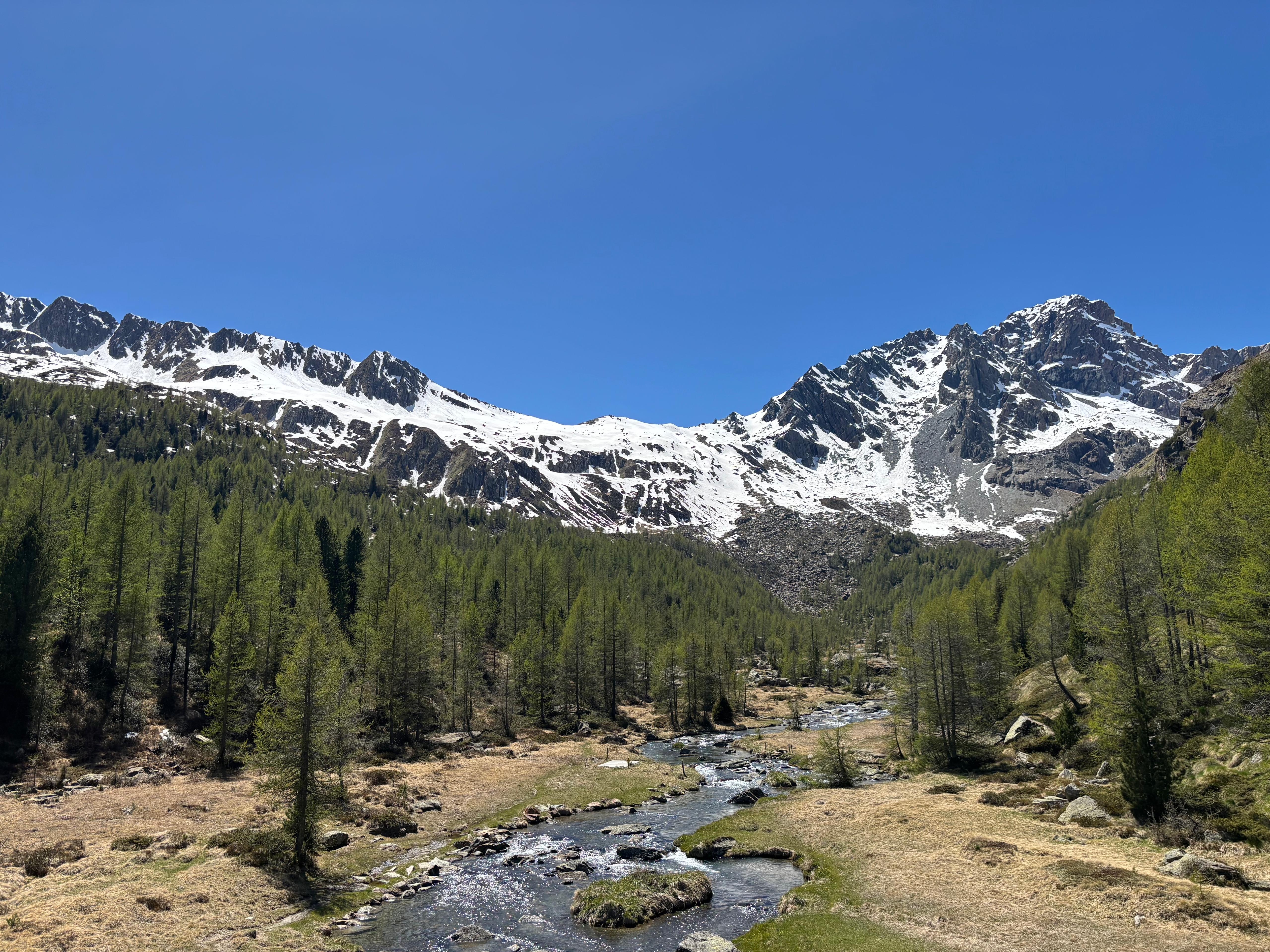
A clear glacial lake at about 1,920 m, ringed with larch and reflecting the peaks on a still morning. You can walk the whole way up from Chiesa through forest and pasture, or take the cable car and make it an easy circuit with children. The water is cold enough that a swim is a decision rather than a pleasure, which has never stopped anyone.
Pizzo Scalino
At 3,323 m, Scalino is the valley's signature summit: a long day, a real mountain, and non-technical by the normal route from Campo Moro, though there is a small glacier remnant to cross and it should not be underestimated late in the season. The view from the top takes in the whole Bernina chain.
For a lower, easier objective with a similar reward, Rifugio Cristina at Alpe Prabello looks straight across at the same peaks and can be reached in a morning.
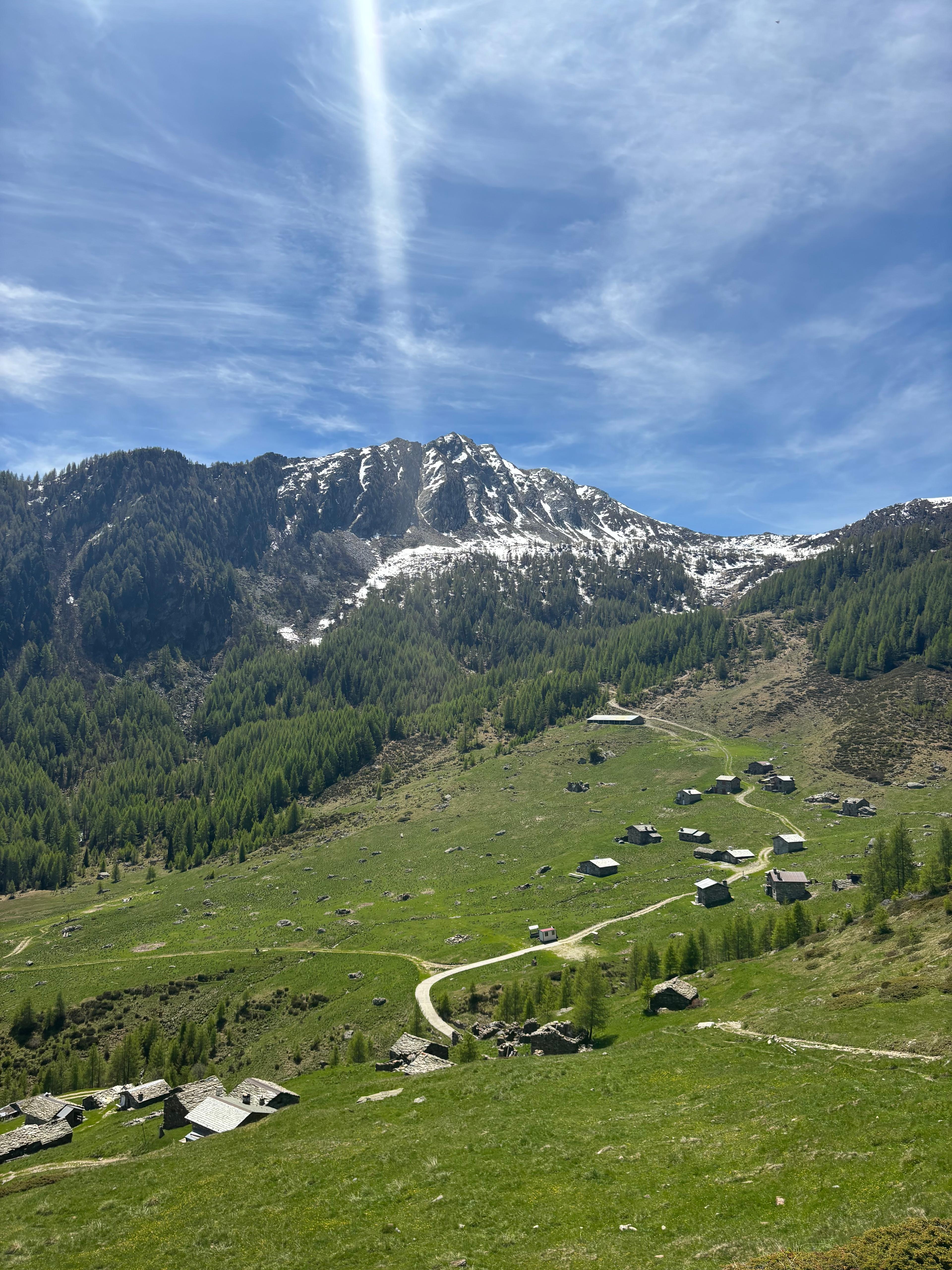
Granite, soapstone and the valley's own stone
The rock here is serpentine and granite, not limestone, and it has shaped the valley. Bolted crags near Chiesa give short, steep sport climbing on rough, grippy stone. The soapstone quarried in the valley has been turned for centuries into the lavec, the round cooking pots you still see in kitchens and on restaurant tables, and into the heavy stove plates that heat the old houses.
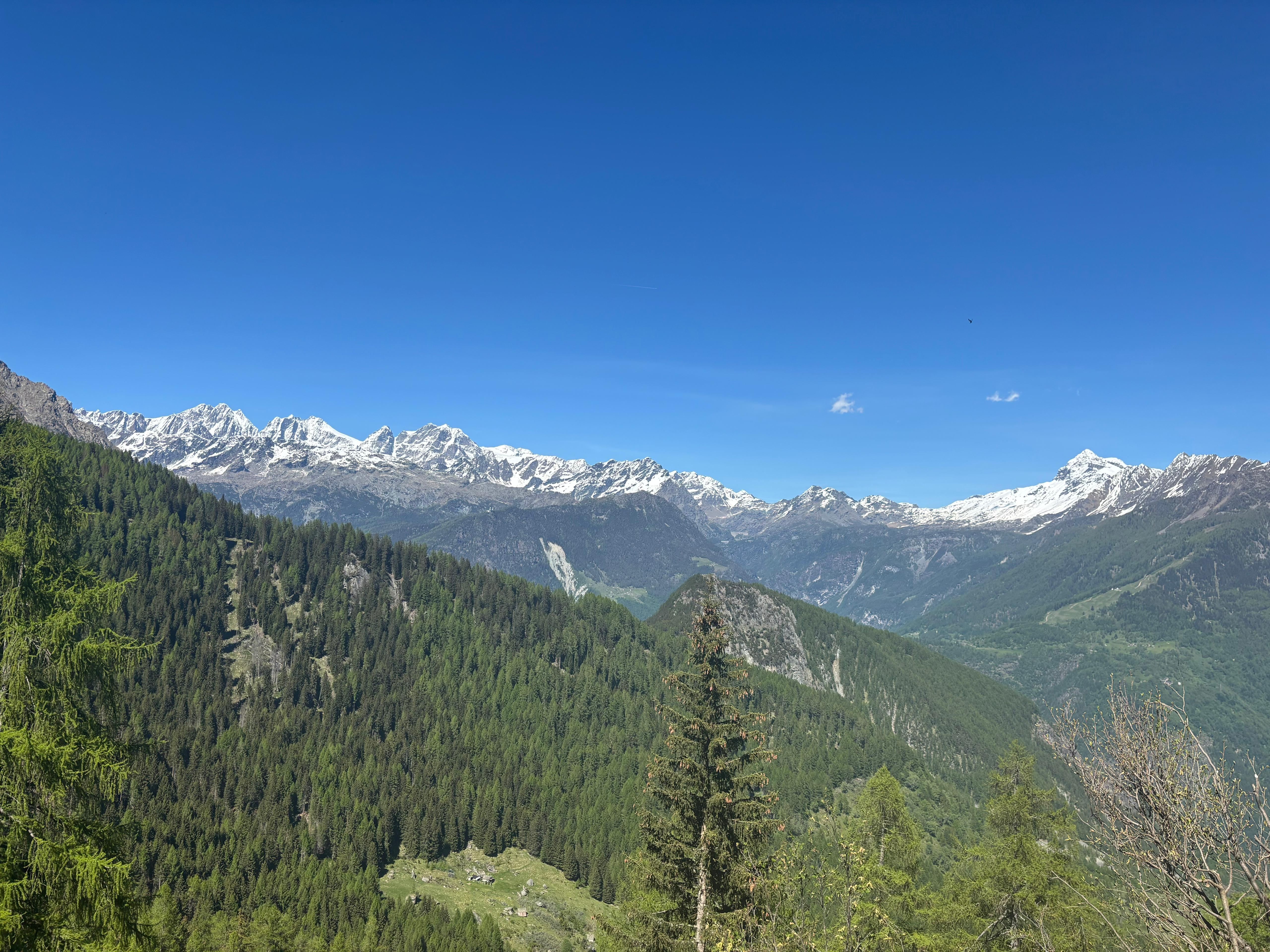
Cycling: Campo Moro and the Bernina
From Sondrio the road climbs steadily to Chiesa and then harder to Campo Moro at 1,990 m: about 40 kilometres with almost no traffic above the villages, and a genuinely long descent afterwards. For a bigger day, drive or ride down to Tirano and take the Bernina Pass road into Switzerland.
On the bike or off it, the Bernina Express railway from Tirano to St Moritz is the rainy-day answer: a UNESCO-listed line that climbs from vineyards to glaciers in two and a half hours.
Eating in the valley
Valtellina cooking is mountain food and unapologetic about it. Pizzoccheri, buckwheat pasta with cabbage, potato and Casera cheese, comes from Teglio, an hour down the valley, and is on every menu here. So are sciatt, buckwheat fritters with melted cheese inside, and bresaola, the air-dried beef that carries the valley's name.
The wine is the surprise. The south-facing terraces above Sondrio grow Nebbiolo under the names Sassella, Grumello, Inferno and Valgella, and the dried-grape Sforzato is one of the great red wines of northern Italy. A bottle of Sassella after a day on the mountain costs less in the valley than a glass of it in Milan.
Ask us before you come and we will tell you which rifugio is worth the walk that week, and which road over the pass is still shut.